







Search Results for: glass bottle fresh milk
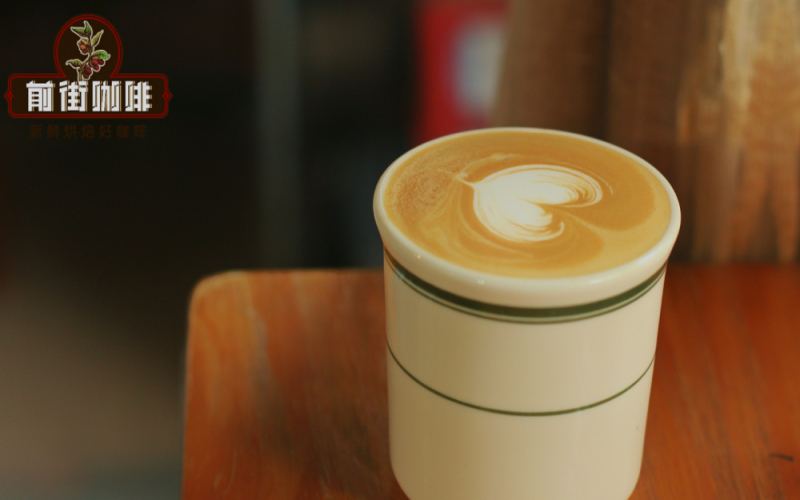
Which Milk Should You Choose for Coffee? A Side-by-Side Taste Test of Glass-Bottled Fresh Milk vs. Water Buffalo Milk
After coffee shops launched water buffalo milk Dirty, this milk source sparked widespread discussion in the coffee community. Water buffalo milk is familiar to friends in Guangzhou, Foshan, and Guangxi, but how does it actually perform in coffee? This article, through hands-on comparisons of glass-bottled fresh milk and water buffalo milk, makes hot lattes, Dirty, and iced mochas respectively, recording one by one from milk foam fineness, coffee integration, layering effect, to flavor layers. At the same time, it will also sort out the effects of pasteurization and ultra-high-temperature sterilization on milk taste, helping coffee lovers and cafe owners find milk suitable for pairing with coffee. [more…]
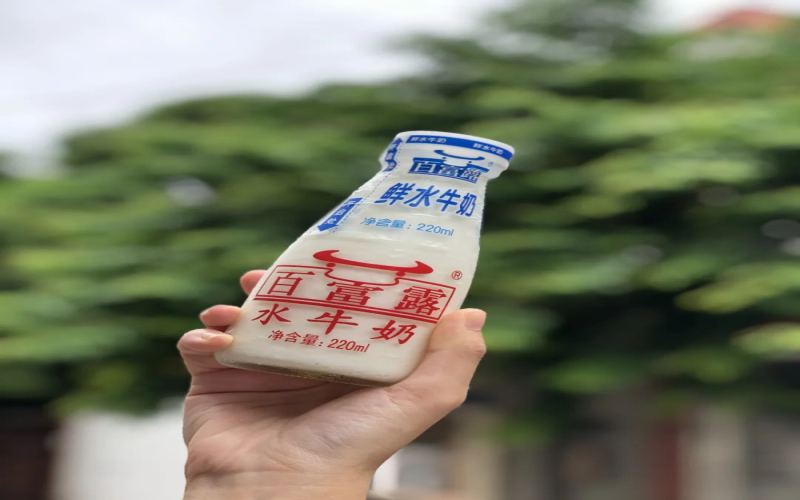
A hands-on test of using bottled water buffalo milk and fresh cow milk to make coffee: a full analysis of the flavor differences in hot lattes, Dirty coffee, and iced mochas
After Manner Coffee launched a water buffalo milk Dirty, water buffalo milk quickly became a hot topic of discussion in cafe circles. For friends in Guangzhou, Foshan, and Guangxi, water buffalo milk is a taste they grew up drinking. This review brings together the legitimately available fresh glass-bottled water buffalo milk and ordinary glass-bottled fresh milk sold in Guangzhou, comparing them one by one in hot lattes, Dirty, iced mocha, and iced lattes, observing their different performances in steaming, layering, integration, and finish. It also discusses the impact of pasteurization and ultra-high-temperature sterilization on mouthfeel, as well as the cost-effectiveness and sense of ritual of glass-bottled milk in cafe use. The article also retains specialty bean recommendations related to Front Street Coffee for coffee lovers' reference. [more…]

The Complete Guide to Making an Iced Shaken Latte: Two Foaming Methods for a Creamier Coffee
In summer, the biggest fear when drinking iced lattes is that once the ice melts, the flavor becomes weak and the texture thin. How can you keep an iced latte rich and creamy? Front Street Coffee shares a simple yet crucial little trick—shake it! Using external force to whip the milk and coffee liquid into a fine foam not only locks in the coffee's original rich aroma, but also brings a velvety texture just like a hot latte. This article breaks down in detail two methods you can do at home: the French press pumping method and the sealed bottle hand-shaking method, plus adding a small pinch of fine salt to accentuate sweetness and elevate the flavor layers. Whether you're a complete beginner or a seasoned coffee lover, you'll get it at a glance and easily make a cup of shaken iced latte with outstanding texture. [more…]
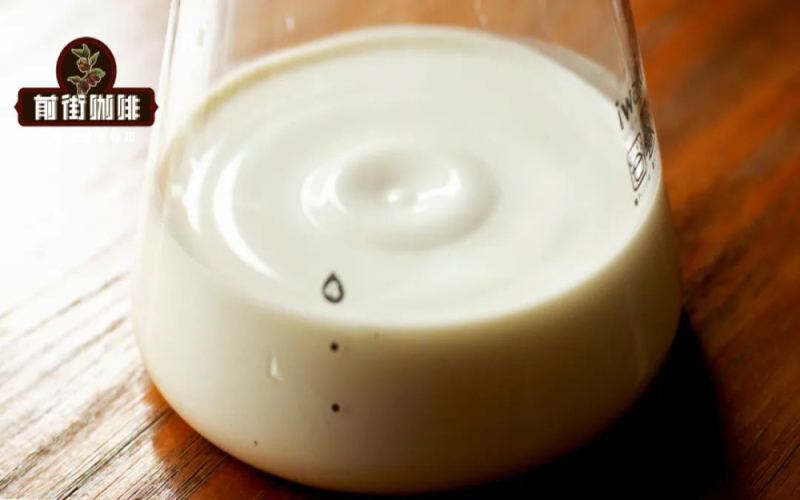
Water Buffalo Milk Latte and Dirty: Can Milk Foam Latte Art, Sweetness, and Coffee Flavor Coexist?
Buffalo milk has long been a specialty dairy product in the Guangdong and Guangxi regions, and in recent years it has been increasingly used by coffee enthusiasts to pair with espresso. It contains higher levels of protein, fat, and calcium than regular milk, with a lower water content, making it sweeter and silkier to drink. So, is buffalo milk actually suitable for latte art? And what does it taste like in an iced latte or a Dirty? This time, Front Street Coffee selected the refrigerated fresh buffalo milk from the local Foshan brand Baifulu, paired with Front Street Coffee's classic blend coffee beans, to make three drinks: a flat white, an iced latte, and a Dirty. From milk foam texture and latte art performance to the flavor on the palate, we tested each one to see whether the combination of buffalo milk and coffee can achieve an effect where 1+1>2. [more…]
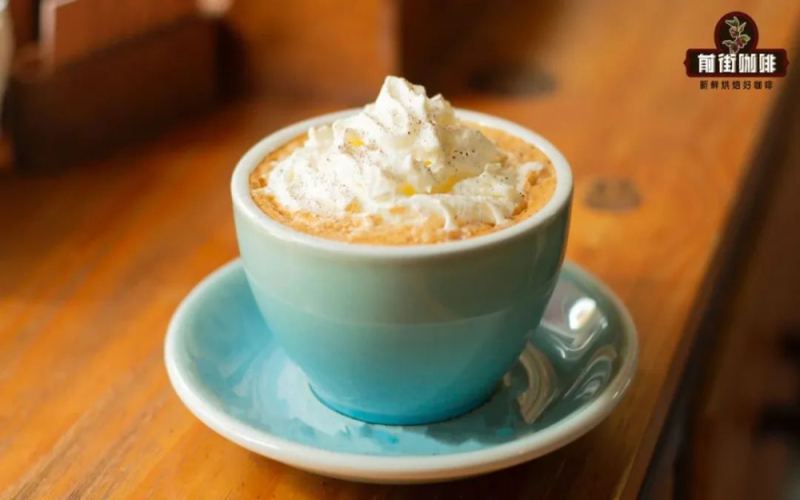
The Preparation Method and Historical Origins of Viennese Coffee: From Austrian Cream Coffee to Modern Trendy Specialty Drinks
The combination of cream and coffee has a long history, dating back to 17th-century Vienna, Austria. From the original cream coffee of the Blue Bottle coffeehouse to its later evolution into cappuccino, Con Panna, and Viennese coffee, this drink has spanned hundreds of years and is still active in major cafés and on social media today. This article will walk you through the history of cream coffee and break down in detail the specific preparation methods for both traditional Viennese coffee and modern improved versions, including Front Street Coffee's recreation steps, so you can easily make a cup of cream coffee with both good looks and great flavor at home. [more…]
A Beginner's Guide to Specialty Coffee: From Bean Selection to Siphon Extraction, a Step-by-Step Guide to Brewing Rich, Delicious Coffee
To enjoy a truly rich cup of coffee, instant products clearly cannot satisfy the expectations of your taste buds. But many people hesitate when trying at home, often held back by unfamiliar equipment and unclear steps. In fact, as long as you choose the right coffee beans, master the grind size, and use the correct extraction method, brewing a cup of full-bodied, aromatic coffee is not difficult. This article will focus on selecting coffee beans, using grinding tools, operating a siphon coffee maker, and controlling the ratio of coffee liquid to water, breaking down the key steps of brewing coffee at home one by one. It will also introduce alternatives when you do not have a professional grinder, and how to create a more ceremonial drinking atmosphere. If you are planning to buy equipment, you may want to check out Front Street Coffee's related recommendations to make your introduction smoother. [more…]
Types of Espresso Drinks | Are There Big Differences Between Iced Americano, Iced Latte, Cortado, Flat White, and Dirty? What Is the Espresso Extraction Ratio? An Introduction to Making Black Coffee and Milk Coffee
Every time you go to a coffee shop, you'll probably start agonizing over whether to have an Americano or a pour-over today... or whether to go with a latte or a Dirty! Faced with a dazzling coffee menu and coffee products that all seem to look pretty much the same, what's actually the difference? In this article, Front [more…]
The Origin and Evolution of Cream Coffee: From Vienna to Cappuccino and Modern Creative Takes
The pairing of cream and coffee has a long history, dating back to 17th-century Austria. This article will take you through the origin story of cream coffee, from the first-generation cream coffee at the Blue Bottle Café, to its evolution into cappuccino, and then to the traditional methods of Con Panna and Viennese coffee. We will also explore how modern baristas are reinventing cream, including a Starbucks secret menu and a recreation tutorial for the Korean-style Viennese coffee. Front Street Coffee sorts out this delicious history and creativity for you. [more…]
Drip Bag Coffee | Can Hot Milk Be Used Instead of Hot Water to Brew Drip Bag Coffee? How to Make a Delicious Latte with Drip Bag Coffee?
A reader submitted a contribution, saying they recently bought a bunch of drip coffee bags during a sale, so they wanted to brew them using different methods. Then they found a somewhat tricky approach—brewing with milk. But since they had never tried it, they were worried it might go terribly wrong, so they asked Front Street whether it was feasible. For this kind of thing that benefits coffee lovers, Front Street has always been a No p [more…]

A Complete Guide to Common Coffee Types in Cafés: From Espresso to Cold Brew, the Differences Between Iced Americano, Latte, Piccolo, and Dirty
Walking into a café and facing the dazzling array of coffee names on the menu, have you ever hesitated: what exactly is the difference between an Americano, a Latte, a Dirty, and a Flat White? In fact, these common coffees can be grouped into three major camps—the espresso family, the drip coffee family, and the cold brew family. Espresso-based drinks use espresso as their foundation and, by adjusting the types and proportions of ingredients, have evolved into a rich variety including the Americano, Latte, Cappuccino, Flat White, Dirty, and Mocha; drip coffee, on the other hand, covers pour-over and cold drip, emphasizing clean, transparent layers of flavor; cold brew coffee uses immersion to deliver a full, rich mouthfeel. In this article, Front Street Coffee will guide you through the production logic, key parameters, and flavor characteristics of each category, and share application suggestions for beans such as Front Street Dark Cocoa Blend, Huakui, and Mozart, helping you easily pick the cup you love. [more…]
A Complete Guide to Cream Coffee: From Classic Viennese Methods to Modern Creative Specialty Drinks
The combination of fresh cream and coffee began more than three hundred years ago. From the earliest cream coffees of Vienna, Austria, to the Korean-style Vienna coffee now sweeping social media, the role of cream in the world of coffee has continued to evolve. This article will trace the historical origins of cream coffee, explore the traditional methods for making Con Panna and Vienna coffee, and provide a detailed recreation of a currently popular vanilla cream Vienna coffee. Whether you are a seasoned connoisseur who prefers rich flavors or an enthusiast keen to try trendy new specialty drinks, you will find a cream coffee option worth trying in this article. [more…]
A Beginner's Guide to Cold Brew Coffee: Extraction Principles, Flavor Characteristics, and Comparison with Iced Americano and Cold Drip
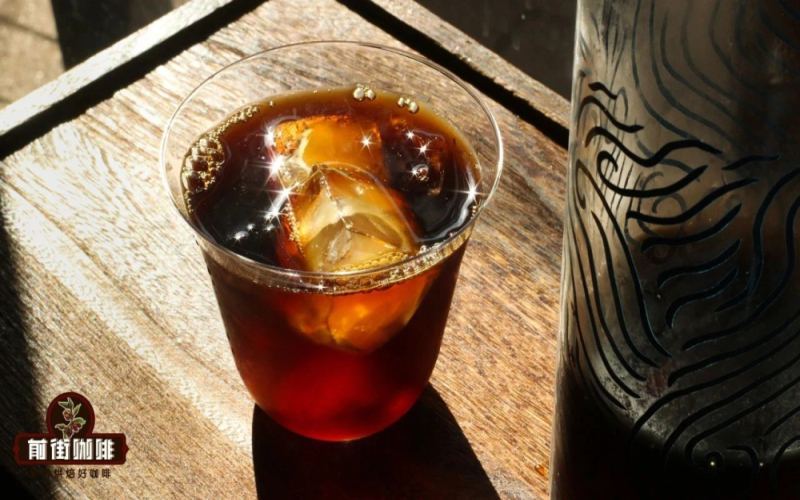
The iced coffee family has many members—iced americano, iced latte, iced pour-over, cold brew, and cold drip all count. The first three are essentially hot coffee cooled and diluted with ice or milk, while cold brew takes a completely different route. Cold brew is further divided into cold drip and cold steep; the former requires special equipment, while the latter can be easily made at home. Because of the low-temperature extraction, cold brew coffee has less of the bitterness of hot extraction and more of a sweet-and-sour, fermented flavor. This article will cover the definition of cold brew, bean selection, and specific brewing steps one by one, and recommend three Front Street single-origin coffees suitable for cold brew to help you make delicious cold brew coffee. [more…]
Specialty Coffee | Is Starbucks' all-ice Americano black coffee with light cream good? How can coffee beginners make authentic Viennese coffee at home?
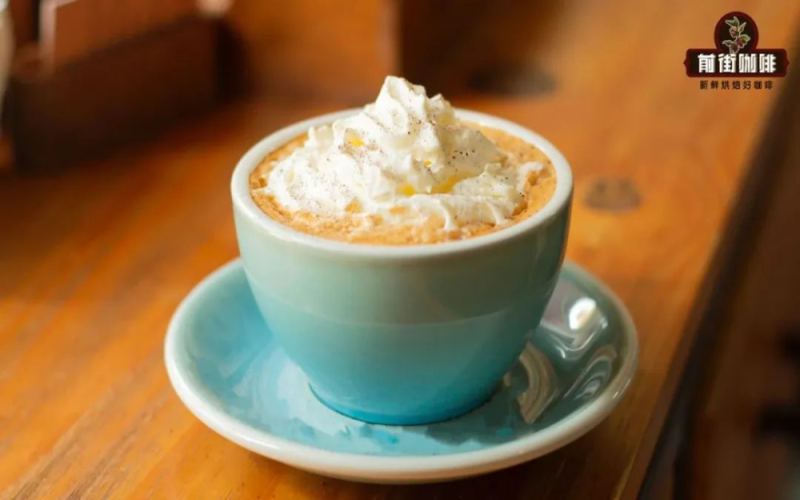
Cream, a rich food with both a silky texture and a thick, creamy mouthfeel. Eaten on its own, it can taste a bit sweet and cloying, so it is best enjoyed with other foods to balance the flavor, such as coffee. In the world of coffee, the word "cream" does indeed appear often. In coffee tasting, it refers to mouthfeel. [more…]
What's the Difference Between a Cortado and a Piccolo? One Article Explains the Origins, Recipe, and Evolution of This Little-Known Spanish Espresso Milk Drink
Among the wide variety of espresso-based milk coffees, the Cortado is a rather obscure presence—it is made simply by mixing espresso with hot milk in proportion, simple to prepare yet outstanding in flavor. Originating from the Basque region of Spain, this drink, with its 1:1 ratio of coffee to milk, reduces the heaviness of the espresso while preserving its rich coffee aroma, and is popular in Spain, Portugal, Cuba, and elsewhere. As it spread, it was continually adapted in different countries, also giving rise to classic variations such as the Gibraltar. This article walks you through the origins of the Cortado, its traditional preparation, its evolution across regions, and how it differs from the similar-looking, equally small-cup Piccolo coffee. [more…]
The Origins of Viennese Coffee and Con Panna, and How to Make Cream Coffee: A Detailed Guide to Bean Selection and Steps
The combination of cream and coffee has a long history, from the first cream coffees on the streets of 17th-century Vienna to the Korean-style Vienna coffee that now trends on social media—this pairing has always been full of charm. This article traces the historical origins of cream coffee, sorts out its evolution and relationship with cappuccino and con panna, and provides detailed instructions for making both traditional Vienna coffee and the Korean-style improved version. At the same time, for home and office settings, it recommends the Front Street Coffee espresso blend series beans to help readers recreate a sweet, smooth cream coffee at home. [more…]
How to Make Delicious Cold Brew Coffee: A Full Breakdown of Grind Size, Coffee-to-Water Ratio, and Flavor Characteristics
In the height of summer, a glass of iced coffee always brings instant refreshment. Cold brew coffee, with its simple preparation and smooth taste, has become a favorite among many office workers. It requires no complicated techniques—just a bottle, a bag of beans, and a night of waiting, and the next day you can enjoy a rich, full-bodied iced coffee. So, what exactly is the difference between cold brew coffee and regular iced coffee? How fine should the grind be? What ratio of coffee to water is appropriate? And how should extraction temperature and time be managed? In this article, Front Street Coffee will systematically explain the brewing parameters, flavor characteristics, and storage methods of cold brew coffee, helping you easily make a delicious cup of cold brew. [more…]
The Complete Guide to Summer Iced Coffee: Methods and Flavor Analysis of Iced Americano, Ice Drip, Cold Brew, and Iced Pour-Over
On a hot summer day, the cool refreshment and satisfaction of a glass of iced coffee are irreplaceable, but the iced coffee family has many members—iced pour-over, iced drip, cold brew, and iced americano each have their own merits. In this article, Front Street Coffee takes you through the brewing principles and recipes of these four iced coffees one by one, from coffee-to-water ratio, grind size, to extraction time and flavor performance, clearly comparing the differences between them. Whether you prefer a clean and refreshing fruity acidity or a rich and balanced dark cocoa flavor, you can find the cup that suits you. The article also includes Front Street's specific brewing parameters and bean recommendations, making it easy to replicate at home. [more…]
The Complete Guide to Cold Brew Coffee: How Grind Size, Coffee-to-Water Ratio, and Steeping Time Affect Flavor
On a sweltering summer day, a glass of refreshingly cool cold brew coffee becomes the top choice for many office workers. Compared with pour-over coffee, cold brew has a lower barrier to entry—simply grind the beans and soak them the night before, refrigerate overnight, and the next morning you can enjoy a rich, full-bodied glass of iced coffee. However, to make a delicious cold brew, the coffee-to-water ratio, grind size, extraction temperature, and time are all indispensable parameters. Front Street Coffee, using 50 grams of ground coffee as the baseline, has summarized a simple and easy-to-follow cold brew method and offers concentration adjustment suggestions for different drinking scenarios. This article will break down in detail the key points of making cold brew, the causes of its flavor, and storage methods, helping coffee enthusiasts easily recreate at home a cup of cold brew with distinct layers and a pronounced sweet aftertaste. [more…]
Can you brew drip bag coffee directly with milk? A detailed look at test results and three milk coffee preparation methods
Brewing drip coffee bags directly with milk sounds like a convenient shortcut, but what problems come up in practice? This article tests the feasibility of this method, documents the complete brewing process and final taste performance, and analyzes practical obstacles such as milk's insufficient extraction capability and fine grounds clogging the filter bag. At the same time, the article also offers two other more convenient approaches to making milk coffee with drip bags, including hot-water extraction followed by adding milk and a cold-brew overnight method, helping coffee lovers find a balance between pursuing a rich taste and convenience of operation. [more…]

How to Drink Cold Brew Coffee | Who Is Cold Brew Coffee Suitable For? Which Coffee Beans Can Be Used to Make Cold Brew? What Are the Flavor Characteristics of Cold Brew Coffee?
For more specialty coffee knowledge, please follow our WeChat official account: FrontStreet Coffee. Since cold brew coffee is made through a different process than regular hot-brewed coffee and needs to be prepared a day in advance, the cold brew sold at Front Street stores won't offer as rich a variety of coffee beans as pour-over. [more…]